


Surgical treatment for hammertoes (DIPJ)
What Is a Digital Arthroplasty?
Painful lesser toes can make everyday activities surprisingly difficult. Problems such as a rigid or contracted toe, pressure from footwear, corns and recurrent irritation can make it difficult to wear normal shoes or walk comfortably.
For selected patients, a digital arthroplasty can be used to correct a painful deformity and reduce pressure within the toe. A digital arthroplasty is a surgical procedure used to correct a painful or deformed toe. When the problem is located at the distal interphalangeal joint (DIPJ), towards the tip of the toe, a digital arthroplasty can be performed to remove a small portion of bone from the joint to correct the deformity and reduce pressure.
Digital arthroplasty may be considered for patients with:
- Rigid or contracted toes
- Painful DIPJ deformity
- Recurrent corns
- Pressure from footwear
- Distal toe pain
- Painful bony prominence
- Deformity that does not respond to conservative treatment
When Is Digital Arthroplasty Recommended?
Conservative care such as silicone devices, strapping, footwear modification and padding should be trialled first. However, if conservative care fails, surgery may be indicated.
What Does Digital Arthroplasty Involve?
A digital arthroplasty is performed by placing an incision over the affected joint – this is usually at the distal joint of the toe. A small portion of bone is removed from one aspect of the joint, allowing the deformity to be reduced and improving the alignment of the digit. The joint is typically rigid, arthritic and irregular, so removing this portion of bone does not hinder the function of the joint, digit or foot.
The procedure is performed under general anaesthetic and, in some cases, local anaesthesia. The incision is generally a few centimetres long and 3–4 sutures are used to close the incision.
Typically the aim of the procedure is to:
- Reduce pain
- Correct the toe deformity
- Reduce pressure from footwear
- Reduce recurrent corns
- Improve the ability to wear shoes
- Improve overall toe function
What Is the Recovery After Digital Arthroplasty?
Patients can weight bear with a light dressing, and the toe is splinted using adhesive tape while wearing a protective shoe or post-operative sandal. Sutures are removed at week 2 and a small dressing is applied. The toe continues to be taped and splinted for 6 weeks to allow for adequate healing and alignment. Some patients can experience some swelling in the toe for a period following the surgery. Patients can typically return to light exercise at 6 weeks post-procedure.
At Sydney Podiatric Surgery, Dr Abdel Kak will assess the affected toe, surrounding joints and overall foot mechanics before discussing whether conservative care or digital arthroplasty surgery is appropriate.
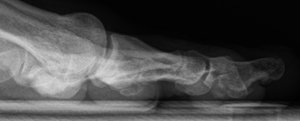
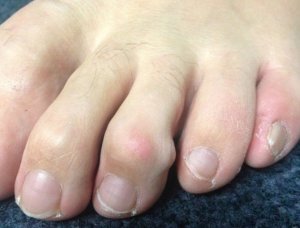
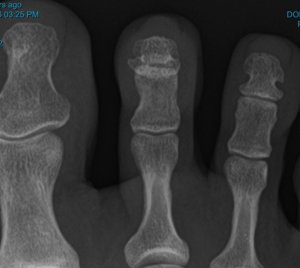
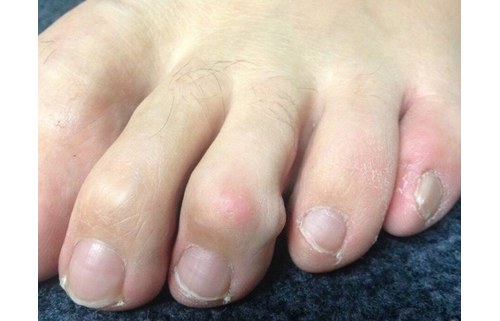
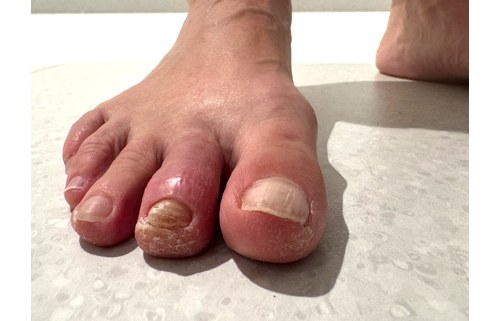
Figures 1 to 3: Pre-operative images showing the degree of flexion and bend at the apex of the toe at the DIPJ – note the difference between the joint spaces of the second and third toe at the same joint
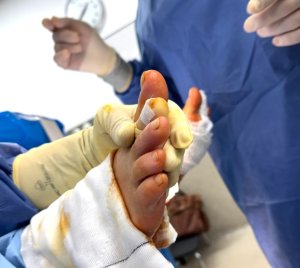
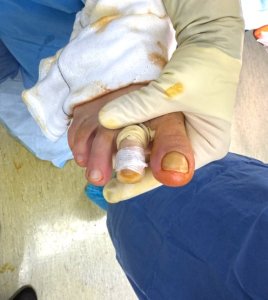
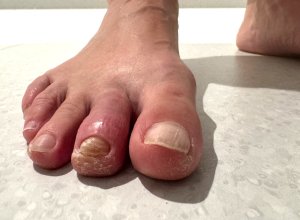
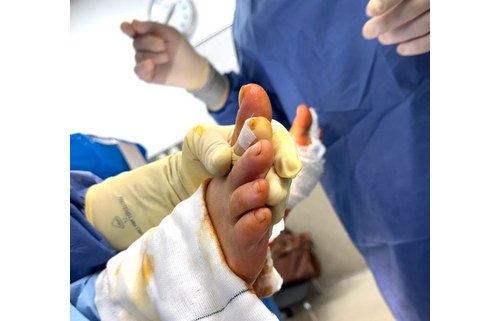
Figures 4 to 6: Intra-operative and post-operative images (4 weeks post-op) demonstrating the location of surgery and correction of the toe into a straight (rectus) position
Do you want to know more about this procedure?
Learn how hammertoe surgery is performed, some of the risks involved, and other frequently asked questions.