


You often hear the word ‘bunion’ but aren’t exactly sure what it is.
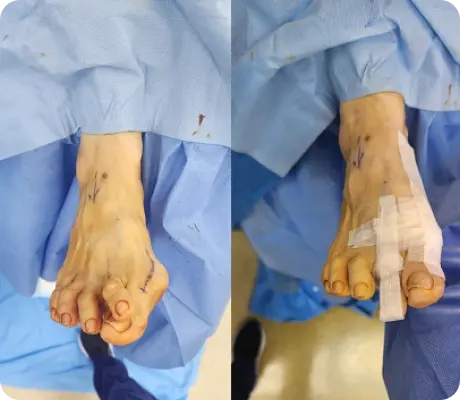
Bunions are a common but often uncomfortable foot condition. This painful bump forms at the base of the big toe and can significantly affect your quality of life. Here’s a closer look at bunions, including their causes, symptoms, and how they can be treated.
What Causes Bunions?
Bunions often have a genetic/family link but they can also result from lifestyle factors. Wearing tight or ill-fitting shoes, high heels, or footwear with narrow toe boxes can increase pressure on the toes and lead to misalignment in the big toe joint over time.
Recognising Bunion Symptoms
The most noticeable sign of a bunion is a bump at the base of the big toe. The bump can progressively get worse however some other symptoms to watch for include:
⦁ Pain or discomfort around the big toe or side of the foot
⦁ Redness, swelling, or inflammation
⦁ Limited movement or stiffness in the big toe joint
⦁ Corns or calluses around the bump or between toes
When to Seek Treatment
If you suspect a bunion or experience ongoing pain, it’s wise to seek a professional assessment. Our podiatric surgeon can diagnose the condition and recommend suitable treatment options based on its severity and effect on your daily activities.
Non-Surgical Treatment Options
In mild cases, some health professionals such as podiatrist might provide non-surgical treatments which can relieve symptoms and slow progression.
Common approaches include:
⦁ Wearing wider fitting shoes, comfortable shoes that allow ample room for the toes
⦁ Using orthotics or insoles to redistribute pressure and reduce pain
⦁ Applying ice to ease swelling
⦁ Taking over-the-counter pain relievers
⦁ Wearing toe braces/splints to help manage the alignment of the big toe
Surgical Treatment for Bunions
If non-surgical methods don’t provide relief, or the bunion worsens, surgery may be necessary. Bunion surgery involves realigning the joint, removes the bump, and correcting any underlying deformities. Modern techniques mean the invasive nature of the surgery can be minimised. The surgery is often performed via a small incision and the techniques can vary from a bone cut/osteotomy or a joint fusion for more severe cases.
Recovery and Rehabilitation
After surgery, recovery and rehabilitation are essential. The duration of recovery varies depending on the procedure and individual healing, but following post-operative instructions: such as wearing a surgical shoe, limiting activity, performing gentle exercises and taking the prescribed medication when required will help regain strength and mobility.
Do you want to know more about this procedure?
Learn how Hallux Abducto Valgus (Bunion) is performed, some of the risks, and other frequently asked questions.